Optimal Timing for Deck Sanding
Deck sanding is a crucial maintenance process that restores the surface of wooden decks, removing old stain, paint, or weathered wood. Proper timing ensures optimal results and prolongs the lifespan of the deck. The best time to perform deck sanding depends on weather conditions, wood condition, and seasonal factors.
Spring and early summer are optimal for deck sanding, as weather is generally warm and dry, allowing for effective drying and sealing afterward.
Choose periods with low humidity and no rain forecasted. Avoid sanding during extreme heat or cold, as it can affect the finish and wood stability.
Typically, decks should be sanded every 2-3 years, depending on wear and weather exposure, to maintain surface integrity and appearance.
Ensure the deck is free of furniture and debris. Wait for a period of consistent dry weather to allow the wood to dry thoroughly before sanding.
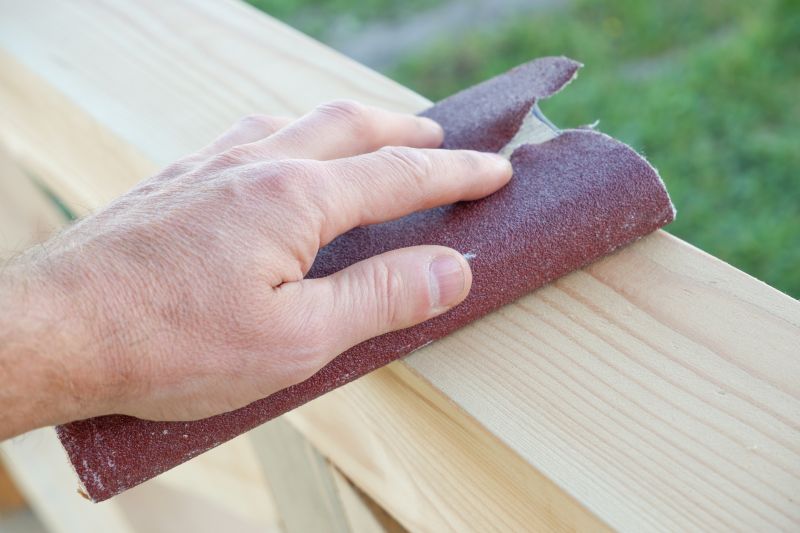
Image of a worker using a sander on a wooden deck.
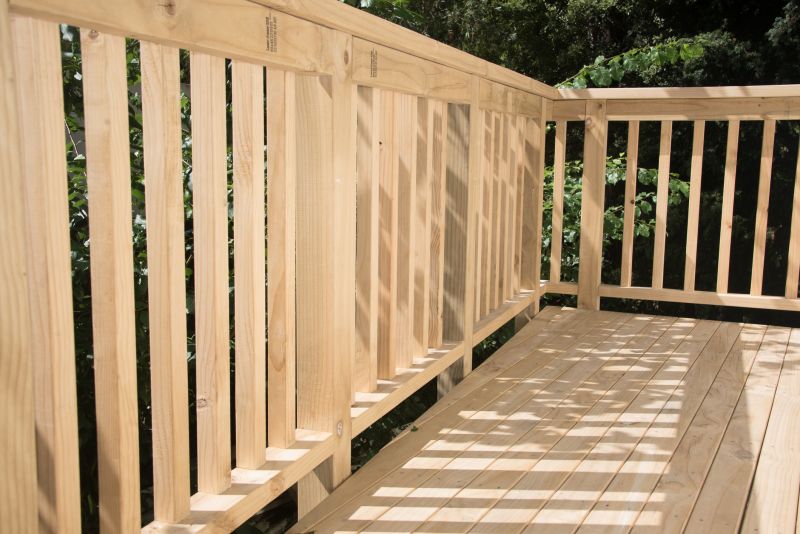
Image showing a deck before and after sanding for comparison.
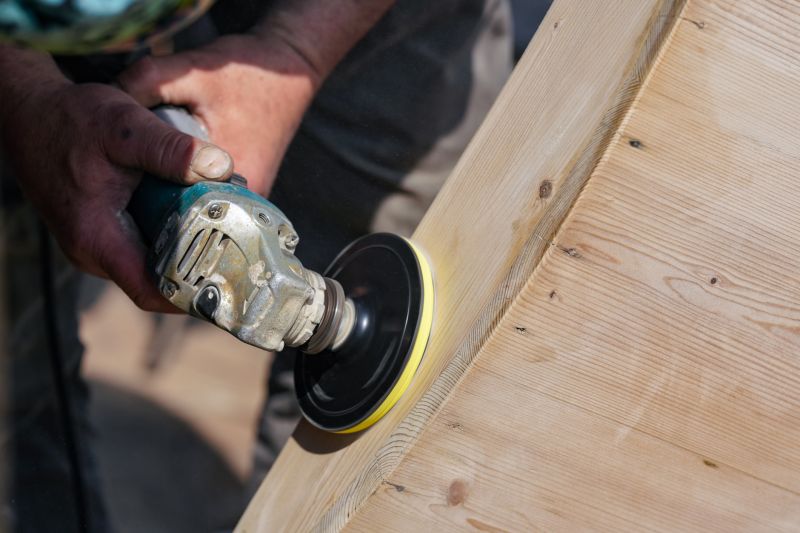
Image of sanding tools and safety gear used in deck sanding.
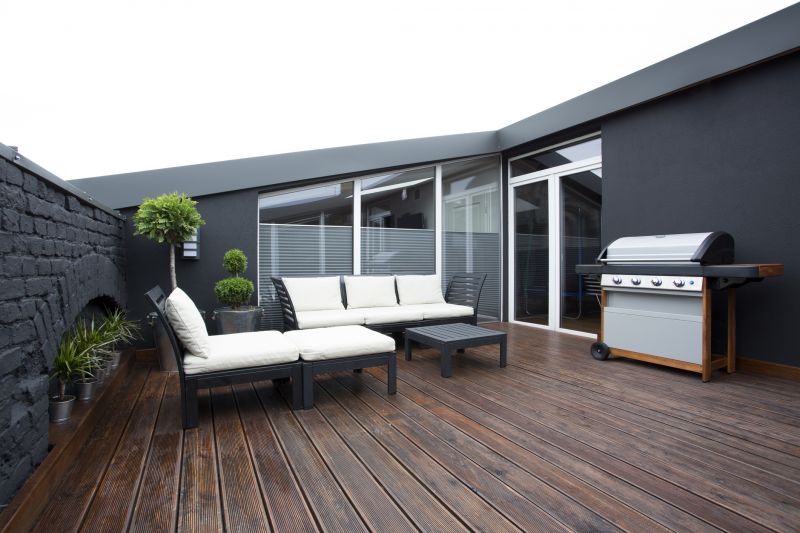
Ways to make Deck Sandings work in tight or awkward layouts.
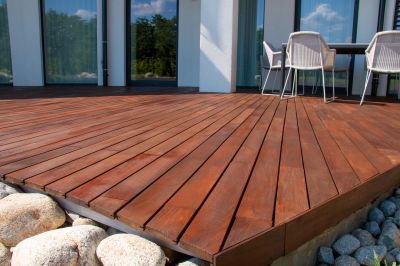
Popular materials for Deck Sandings and why they hold up over time.
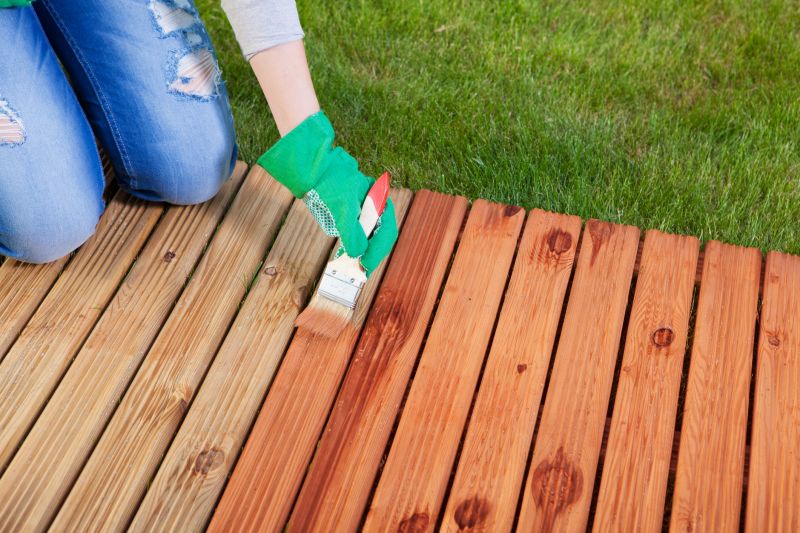
Simple add-ons that improve Deck Sandings without blowing the budget.
Deck sanding involves removing weathered surface layers to reveal fresh, smooth wood. It prepares the surface for staining or sealing, which can significantly improve the deck’s appearance and durability. Proper timing and technique are essential to prevent damage and ensure a long-lasting finish. Regular maintenance, including sanding, can extend the life of a deck by preventing wood decay and splintering.

Close-up of electric sanders and protective gear.
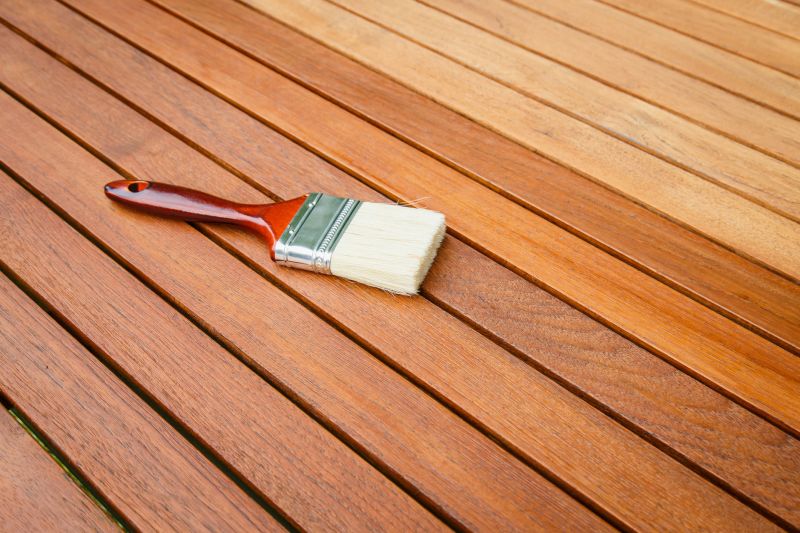
Image of a restored wooden deck surface post-sanding.

Photo depicting a sunny, dry day ideal for sanding.
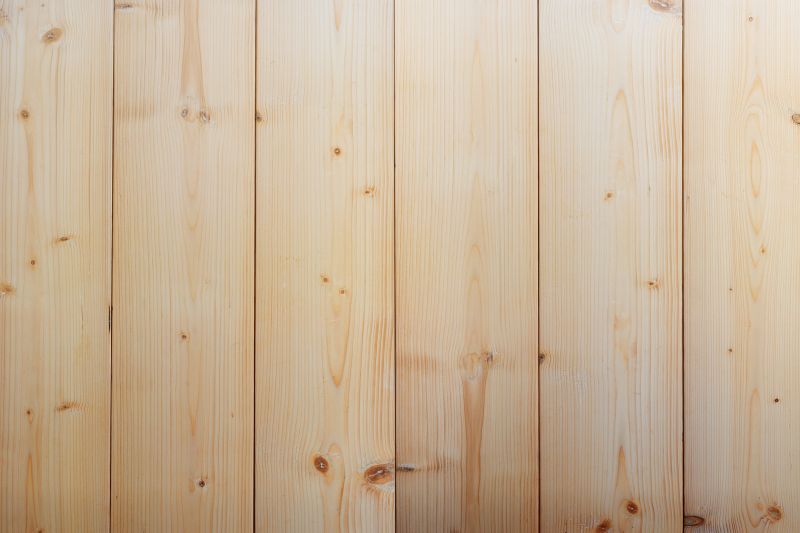
Smooth, clean deck surface ready for finishing.
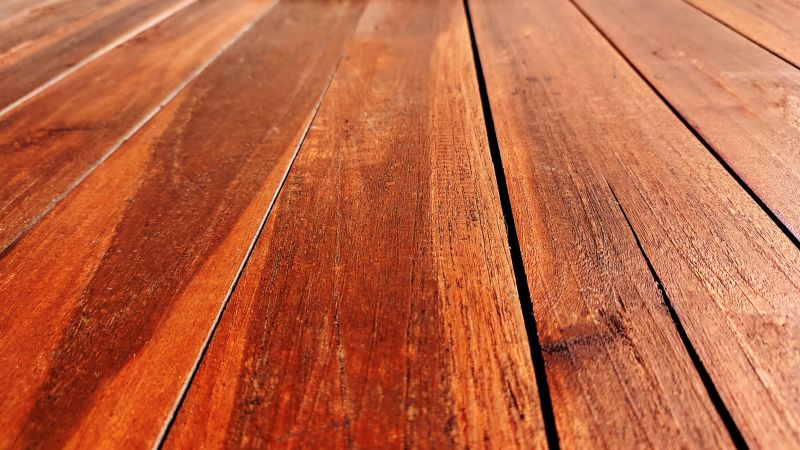
High-end options that actually feel worth it for Deck Sandings.
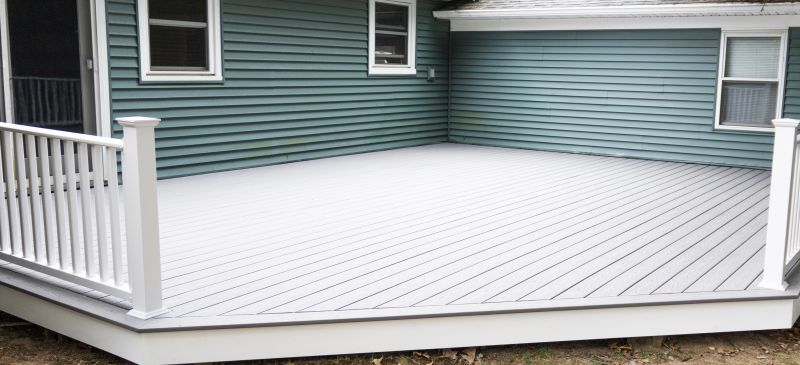
Finishes and colors that play nicely with Deck Sandings.

Little measurements that prevent headaches on Deck Sandings day.
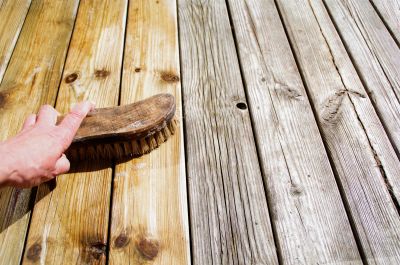
A 60-second routine that keeps Deck Sandings looking new.
| Season/Period | Recommended Conditions |
|---|---|
| Spring | Warm, dry days with low humidity |
| Early Summer | Consistent warm weather, no rain |
| Late Summer | Avoid peak heat hours, dry conditions |
| Fall | Mild temperatures, dry weather |
| Winter | Not recommended in cold or wet conditions |
Timing deck sanding appropriately can improve results and reduce issues such as warping or incomplete finishing. Monitoring weather forecasts and assessing wood condition are key factors in selecting the optimal time for sanding. Properly scheduled maintenance helps ensure the deck remains safe and visually appealing for years to come.
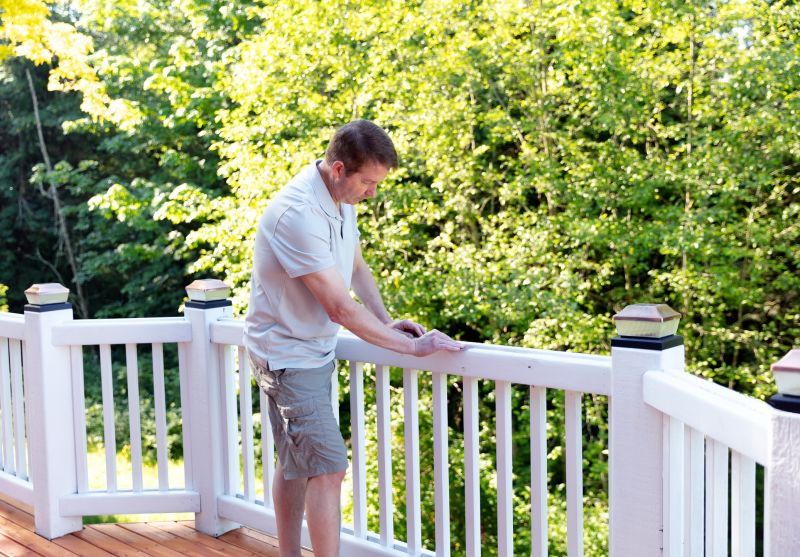
Worker sanding a wooden deck during favorable weather.
Image of weather forecast on a digital device.
Close-up of a smooth, sanded deck surface.
Small tweaks to make Deck Sandings safer and easier to use.
Lower-waste or water-saving choices for Deck Sandings.
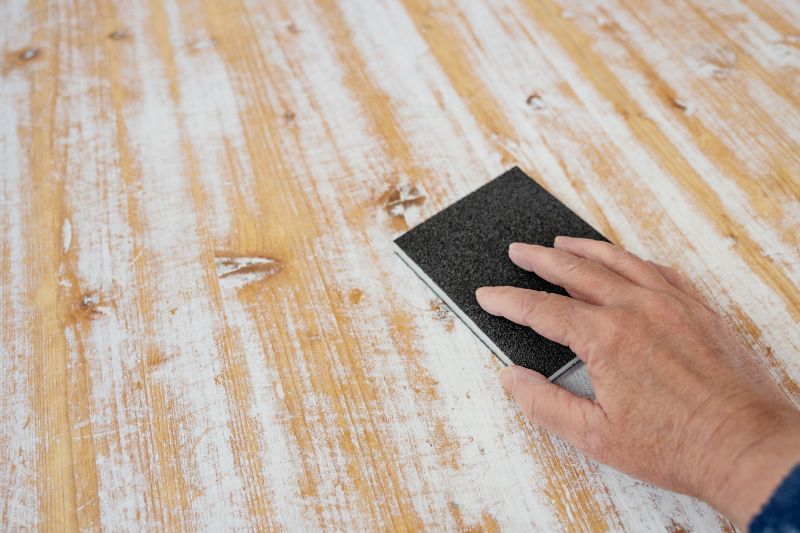
The short, realistic tool list for quality Deck Sandings.
Interested in maintaining a deck with proper sanding techniques? Filling out the contact form can provide additional guidance and scheduling options to ensure the best results for deck restoration projects.